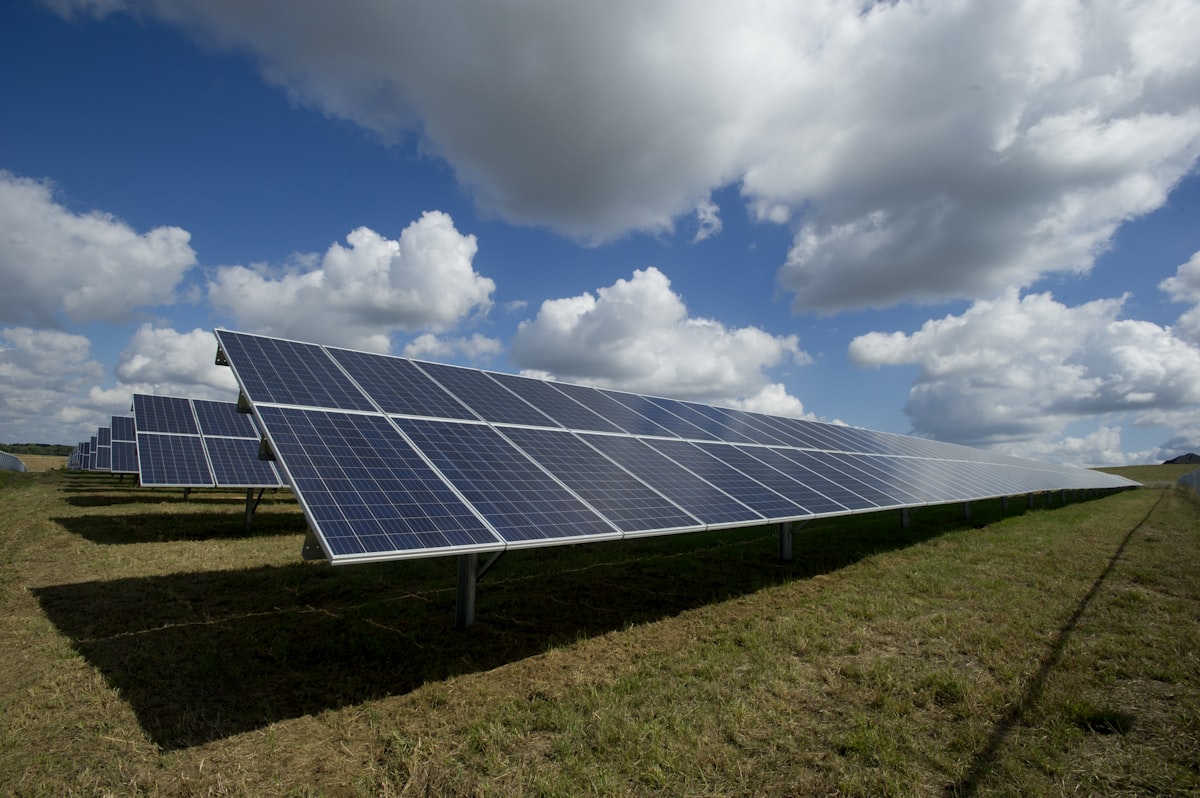
Why solar generators are worth considering
A solar generator, more accurately called a portable power station with solar charging capability, is a battery pack with a built-in inverter that can be recharged from solar panels. Unlike gas generators, they produce no carbon monoxide, make almost no noise, and can be used safely indoors. This makes them uniquely suited for apartment dwellers, urban homes, and anyone who cannot safely store or operate a gas generator.
The 2021 Texas freeze, Hurricane Ian, and repeated heat-driven grid emergencies have pushed solar generators from a niche camping accessory to a mainstream home backup solution. The market has responded with better capacity, lower prices per watt-hour, and more reliable battery chemistry. A good solar generator can run a refrigerator, charge phones, power medical devices, and run fans for hours to days depending on capacity.
This guide focuses on what matters for home backup: how much capacity you need, how to compare models, and how to use one safely during an emergency. It is not a brand review. Specific models change every few months, but the evaluation criteria do not.
As an Amazon Associate, StormRift.net earns from qualifying purchases.
Useful gear for this stepKey specs: what actually matters
Capacity, measured in watt-hours (Wh), tells you how much energy the battery stores. This is the most important number. A 500Wh unit can run a 10-watt LED light for 50 hours, charge a phone about 15 times, or run a 100-watt refrigerator for about 5 hours. A 2000Wh unit can run that same refrigerator for about 20 hours, which is usually enough to bridge an overnight outage.
Inverter rating, measured in watts (W) or surge watts, tells you the maximum power the unit can deliver at once. A 300W inverter can run lights, phones, and fans. A 600W inverter can run a small TV or a CPAP machine. A 1500W or higher inverter can run a refrigerator, microwave, or space heater. Check both continuous and surge ratings, because motors in refrigerators and pumps need 2 to 3 times their running wattage to start.
Charge time matters because it determines how quickly the unit is ready for the next outage. A unit that takes 8 hours to charge from a wall outlet and 12 hours from solar panels is less useful during back-to-back storms. Look for units that support fast AC charging (under 4 hours) and have a solar input rated for at least 200W.
Sizing: how much capacity do you need
Start by listing what you want to power during an outage and how long you need to power it. The most common priorities are: phone charging (10W), LED lighting (5 to 15W), a refrigerator (100 to 200W running, 600W surge), a CPAP machine (50 to 100W), a fan (20 to 50W), and a small TV or radio (50 to 100W).
Calculate daily energy needs by multiplying each device's wattage by the hours it will run. For example, a refrigerator at 150W running 8 hours per day (compressor cycles on and off) uses 1200Wh. Charging two phones at 10W for 3 hours uses 60Wh. A fan at 30W for 12 hours uses 360Wh. Total daily need: about 1620Wh.
For a one-day outage, you need at least 1620Wh of capacity plus a 20 percent safety margin, so roughly 2000Wh. For a two-day outage, you need 4000Wh unless you can recharge with solar panels during the day. A 2000Wh unit with a 200W solar panel can effectively extend runtime indefinitely during sunny weather, though real-world solar input is often 50 to 70 percent of the rated output.
Portable vs stationary: which makes sense
Portable power stations, typically 200Wh to 3000Wh, are designed to be moved. They are self-contained with built-in handles, AC outlets, USB ports, and DC outputs. They are ideal for apartment dwellers, renters, and anyone who wants a flexible solution that can also be used for camping, tailgating, or outdoor work. The downside is limited capacity at the lower end, which may not sustain a refrigerator through a long outage.
Stationary home battery systems, like the Tesla Powerwall or similar products, are permanently installed and integrated with your home's electrical panel. They offer much larger capacity (10kWh to 15kWh) and automatic transfer switching, so they kick in instantly when the grid fails. The downside is cost (8,000 to 15,000 dollars installed) and the need for professional installation. They are a permanent home improvement, not a portable tool.
For most households preparing for typical outages of 12 to 72 hours, a portable unit in the 1000Wh to 2000Wh range with a 200W solar panel offers the best balance of cost, flexibility, and capability. You can move it to where it is needed, use it for non-emergency purposes, and take it with you if you move.
Charging options beyond solar
Most portable power stations charge from three sources: AC wall outlet, DC car charger, and solar panels. AC charging is fastest, typically 4 to 6 hours for a full charge. Car charging is slower, 8 to 12 hours, but useful during extended outages when you can run the engine periodically. Solar charging is the only option that works indefinitely off-grid, but it depends on weather and panel placement.
For solar panels, look for foldable or suitcase-style panels rated for at least 100W, preferably 200W. Match the panel voltage to the power station's solar input specifications. Monocrystalline panels are more efficient per square foot than polycrystalline, which matters if you are limited on roof or balcony space.
A practical charging strategy during a multi-day outage: charge the unit from solar during the day while using it to power essential devices, and let it run the refrigerator overnight. If solar input is insufficient, run a car engine for 1 to 2 hours per day to top up the battery via the DC car charger.
Safety and maintenance basics
Lithium iron phosphate (LiFePO4 or LFP) is the preferred battery chemistry for home backup. It is more stable than older lithium-ion chemistries, tolerates more charge cycles (2000 to 6000 cycles vs 500 to 1000), and is less prone to thermal runaway. Look for units that specifically advertise LiFePO4 or LFP chemistry. This is the single most important specification for longevity and safety.
Unlike gas generators, solar generators produce no carbon monoxide and can be used safely indoors. They are silent or near-silent, making them suitable for apartments and bedrooms. However, they should not be exposed to rain or submerged. Keep them dry and away from direct heat sources. Do not attempt to open or modify the battery pack.
Maintain the unit by storing it at 40 to 60 percent charge if not in use for extended periods. Check the charge level every 3 to 6 months and top up if needed. Avoid storing in extreme temperatures (below 0 C or above 40 C). Most LiFePO4 units retain 80 percent or more of their original capacity after 5 to 10 years of regular use.
What to look for when comparing models
When comparing solar generators, use this checklist: battery chemistry (LiFePO4 preferred), capacity in watt-hours, continuous and surge inverter rating, number and type of AC outlets, USB ports, DC outputs, AC charge time, solar input wattage, solar charge time, weight, warranty, and cycle life rating. A good warranty is 3 to 5 years. A good cycle life rating is 2000 cycles or more.
Avoid units that advertise only peak wattage without listing continuous wattage. A unit advertised as 1500W peak may only deliver 600W continuously, which is not enough for a refrigerator. Also beware of inflated capacity claims. Divide the watt-hour rating by the inverter wattage to estimate runtime: a 1000Wh unit with a 500W inverter will run a 100W device for about 10 hours, accounting for inverter efficiency losses of roughly 15 percent.
Consider the ecosystem, not just the unit. A power station without solar panels is just a big battery that eventually runs out. A solar panel without a power station is useless at night. The best setup is a matched pair from the same manufacturer, or at least a power station with a well-documented solar input specification that works with third-party panels. Buy the panel at the same time as the station, not later, so you have the complete system ready before the next outage.
FAQ
What size solar generator do I need for my home?
For essential backup (phones, lights, fan, and a refrigerator for 12 hours), look for 1000 to 2000Wh with a 600W or higher inverter. For full-day coverage including a refrigerator, CPAP, and lights, aim for 2000Wh or more with a 1500W inverter and a 200W solar panel.
Can a solar generator run a refrigerator?
Yes, if the inverter rating is at least 600W continuous with a surge rating of 1200W or higher. Refrigerators need 2 to 3 times their running wattage to start the compressor. A 2000Wh unit can typically run a standard refrigerator for 15 to 20 hours.
Are solar generators safe to use indoors?
Yes. Unlike gas generators, solar generators produce no carbon monoxide and can be used safely indoors. They are silent or near-silent. Keep them dry and away from direct heat. Never expose them to rain or submersion.
How long do solar generators last?
LiFePO4 battery units typically last 2000 to 6000 charge cycles, which translates to 5 to 10 years of regular use. Store at 40 to 60 percent charge when not in use. Check charge level every 3 to 6 months and avoid extreme temperatures.
Is a solar generator better than a gas generator?
For indoor use, apartments, and short to medium outages, solar generators are safer and more convenient. For long outages requiring whole-house power (well pump, HVAC, multiple appliances), a gas generator with proper outdoor placement may be necessary. Many households benefit from having both.