
Flood
Waterproof Dry Bag
Keep IDs, medicine, power banks, and cash usable in heavy rain.
View on AmazonReduce particle exposure and prepare clean indoor air.
Wildfire smoke is dangerous because it contains fine particles that can travel deep into the lungs. The most important pollutant for health decisions is PM2.5: tiny particles that can worsen asthma, COPD, heart disease, pregnancy risk, and respiratory symptoms.
Distance from flames is not a reliable measure of smoke risk. Smoke can travel hundreds of miles and pool in valleys or indoor spaces depending on wind, ventilation, and building leaks.
AirNow and EPA guidance emphasizes reducing exposure: stay indoors when smoke is heavy, keep indoor air cleaner, use high-efficiency filtration when possible, and use properly fitted respirators outdoors when exposure cannot be avoided.
A clean-air room is a practical household strategy. Choose one room, close windows and doors, reduce air leaks, run a HEPA purifier or safe DIY filtration setup, and avoid indoor particle sources such as candles, frying, smoking, and vacuuming without HEPA filtration.
Respirators are not all equal. Cloth masks and loose surgical masks do not reliably filter wildfire smoke particles. A NIOSH-approved N95, P100, or equivalent respirator must seal well to work. People with heart or lung disease should follow medical advice before extended respirator use.
Do not use cloth masks as smoke protection.
Do not exercise outdoors when AQI is unhealthy or smoke is visible.
Do not add indoor particles with candles, frying, smoking, or fireplaces.
Do not wait to prepare until flames are visible.
Do not ignore symptoms in children, older adults, pregnant people, or people with asthma or heart disease.
Do not run portable generators indoors during smoke-related power outages.
Choose gear that fits your household and local emergency guidance.
As an Amazon Associate, StormRift.net earns from qualifying purchases.
Keep IDs, medicine, power banks, and cash usable in heavy rain.
View on Amazon
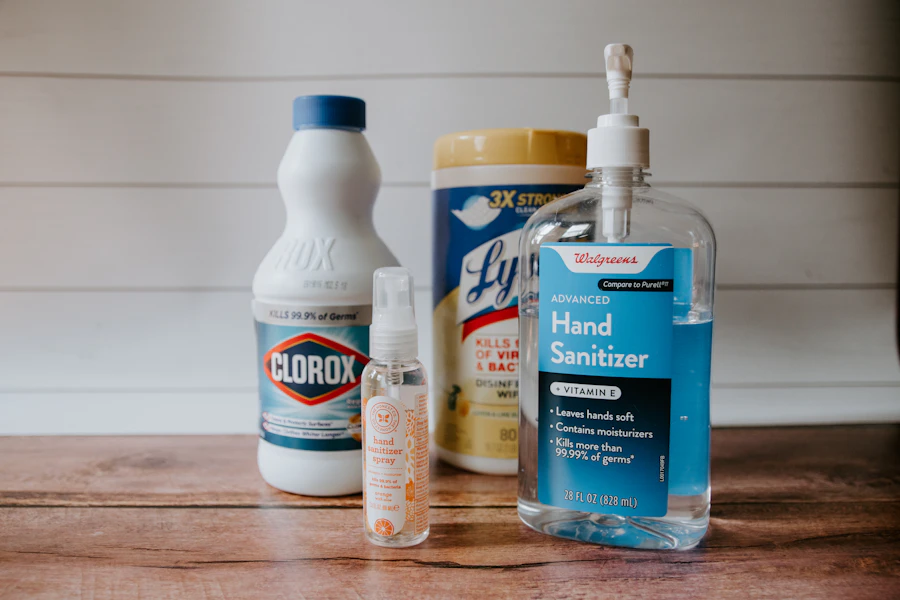
Cuts, burns, sprains, and basic wound care after storms or evacuation.
View on Amazon

Clean-air rooms during wildfire smoke, dust storms, or urban pollution spikes.
View on AmazonFine particles, especially PM2.5, can reach deep into the lungs and worsen breathing and heart conditions.
No. Use a well-fitting NIOSH-approved N95, P100, or equivalent respirator for particle protection when outdoor exposure cannot be avoided.
Choose one room, close windows and doors, reduce leaks, run a HEPA purifier or safe filtration setup, and avoid activities that create indoor particles.
Avoid outdoor exertion when smoke is heavy or AQI is unhealthy. Exercise increases breathing rate and particle dose.
Follow evacuation orders immediately. Also consider relocation if symptoms worsen or indoor air cannot be kept reasonably clean.