Why a dedicated power outage kit matters
Power outages are not rare events. In the United States, the average household experiences about 8 hours of power outages per year, and major weather events can push that number to several days. The 2021 Texas freeze left over 4 million people without power for up to four days. Hurricane Ian in 2022 caused outages affecting 11 million people. Grid emergencies, heat-driven demand spikes, and winter storms are increasing in frequency.
A power outage is a cascading failure. When the grid goes down, you lose lighting, refrigeration, heating, cooling, communication, medical device support, and water pressure if you rely on an electric pump. A general emergency kit helps, but a power-outage-specific kit addresses the unique challenges: no light, no refrigeration, no phone charging, and no climate control.
The kit below covers the first 72 hours, which is the window where outside help is least likely to have reached you. It is organized by function so you can build it incrementally and adapt it to your climate.
As an Amazon Associate, StormRift.net earns from qualifying purchases.
Useful gear for this stepThe core power outage kit
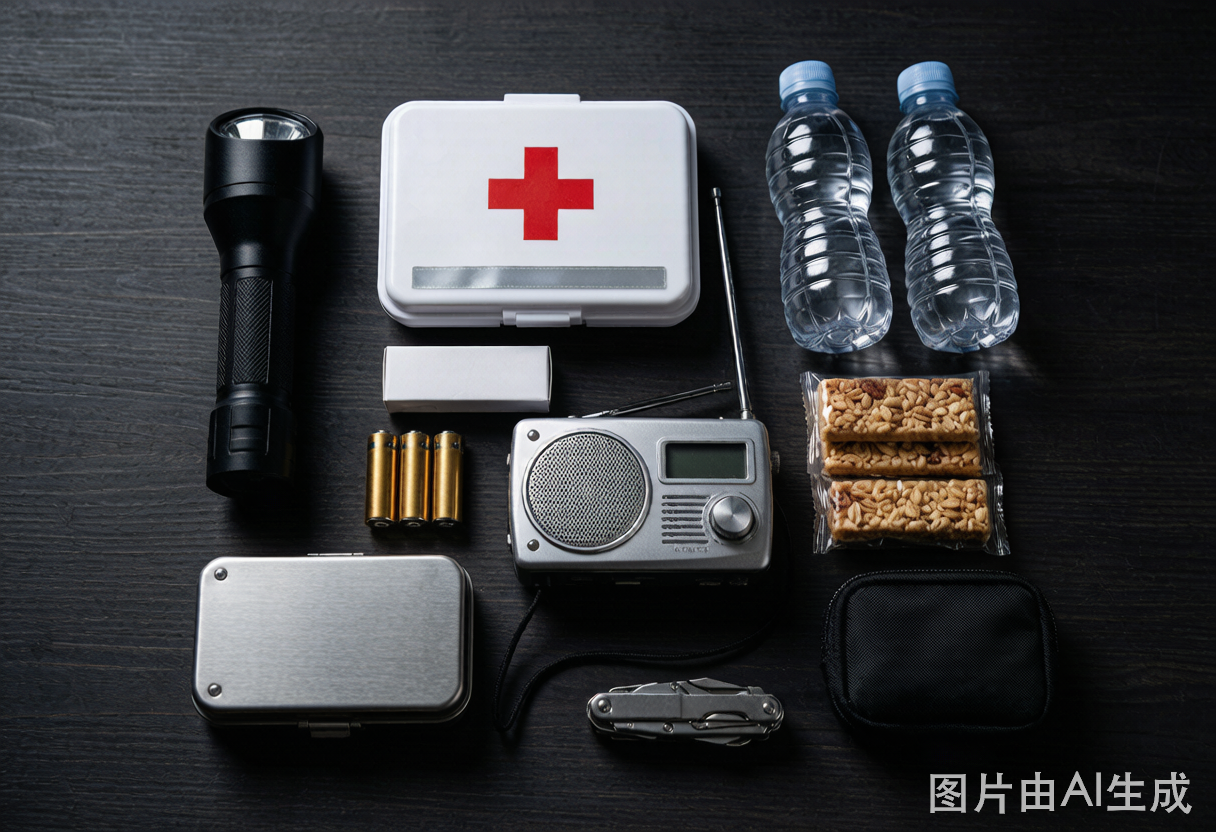
Lighting: Two LED headlamps, one for each adult, plus two battery-powered lanterns for room lighting. Avoid relying solely on flashlights, which require one hand and are easy to set down and lose. Include spare batteries for everything. A pack of chemlights (glow sticks) provides low-risk ambient light for children and bathrooms.
Communication: A battery-powered or hand-crank NOAA weather radio keeps you informed when mobile networks are down or phones are dead. Include at least one power bank rated for 20,000 mAh or higher, which can recharge a phone three to five times. A spare charging cable and a car charger adapter ensure you can charge from a vehicle if needed.
Food and water: Stock three days of non-perishable food that requires no cooking. Canned goods, protein bars, trail mix, and peanut butter are reliable staples. Store at least one gallon of water per person per day. If you have an electric water pump, fill the bathtub before the storm so you have water for flushing toilets.
Lighting: beyond the flashlight
Headlamps are superior to flashlights because they leave both hands free. This matters more than you think. During a power outage, you need to carry things, open doors, hold a phone, and prepare food, all in the dark. A headlamp with a low and high beam gives you 8 to 20 hours of light on a single set of batteries.
Battery-powered lanterns provide ambient room light that headlamps cannot. Look for models with adjustable brightness and a hook or stand. A single good lantern can light an entire room enough to move around safely. LED candles are a safe alternative to real candles, which are a fire risk during emergencies when attention is divided.
Avoid using gas lanterns, oil lamps, or candles inside. They produce carbon monoxide, open flames, and fire risk. If you have no alternative to candles, never leave them unattended and keep them away from curtains, papers, and children.
Communication and information
Your phone is your most important communication tool during an outage. Conserve battery aggressively. Turn on low power mode, reduce screen brightness, close background apps, and disable notifications you do not need. Text messages are more likely to get through than voice calls when networks are congested.
A battery-powered or hand-crank radio is your backup when phones die and networks fail. NOAA weather radios receive continuous broadcasts from the National Weather Service, including emergency alerts, evacuation notices, and power restoration updates. Look for a model with SAME (Specific Area Message Encoding) technology so you only receive alerts for your county.
If you have a car, it can serve as a phone charging station and information hub. A car charger adapter with USB ports can keep phones running for days if you start the engine periodically. Keep the car outside or in a well-ventilated garage, never in an enclosed space with the engine running.
Food and water for outages
Keep a three-day supply of food that requires no refrigeration and no cooking. Canned beans, canned tuna, canned chicken, soup, vegetables, and fruit are reliable and affordable. Protein bars, trail mix, crackers, and peanut butter provide calories without preparation. Include a manual can opener, because an electric one will not work.
Refrigerator and freezer management during an outage matters. A full freezer stays cold for about 48 hours if the door stays closed. A refrigerator stays cold for about 4 hours. Move perishables to the freezer to extend their life, and use a thermometer to check that food stays below 4 C before eating it. When in doubt, throw it out.
Water needs are 1 gallon per person per day for drinking and sanitation. If you rely on an electric well pump, fill containers and the bathtub before the storm. If you have city water, it usually continues during a power outage, but boiling may be required if treatment systems lose power. Store water in food-grade containers, not in old milk jugs which leak over time.
Medical and comfort items
Keep at least a 7-day supply of prescription medications in your outage kit. Pharmacies may be closed during extended outages, and refrigerated medications like insulin need a plan for cold storage. Ice packs in a cooler can keep insulin viable for 24 to 48 hours. Ask your pharmacist about storage temperature requirements.
If anyone in the household uses a CPAP machine, nebulizer, oxygen concentrator, or other powered medical device, create a backup power plan. A small portable power station or inverter connected to a car battery can run most medical devices for several hours. Discuss your options with your doctor and device supplier before an emergency.
Include a basic first aid kit with bandages, antiseptic, gauze, tape, pain relievers, antihistamines, and any over-the-counter medications your family uses regularly. Add a thermometer, disposable gloves, and a printed list of emergency contacts and medication schedules.
Seasonal additions: summer vs winter outages
Summer outage module: The danger is heat. Add electrolyte packets, a cooling towel, a battery-powered fan, and a plan to relocate to a cooling center if indoor temperature exceeds 35 C. Without AC, a summer outage can become a heat emergency within hours, especially for elderly and medically vulnerable household members.
Winter outage module: The danger is cold and carbon monoxide. Add thermal blankets, hand warmers, a wool hat and gloves for each person, and a battery-powered carbon monoxide detector. Never use generators, grills, camp stoves, or gas ovens for heating. These produce carbon monoxide that can kill before you notice symptoms.
Review the kit every six months, ideally when daylight saving time changes. Rotate food, water, and medications. Test flashlights and radios. Recharge power banks. Update emergency contacts and medical information. A kit that is not maintained is a kit that will fail you when you need it most.
FAQ
What should be in a power outage emergency kit?
Lighting (headlamps and lanterns), communication (NOAA radio and power banks), three days of non-perishable food, one gallon of water per person per day, first aid supplies, prescription medications, and seasonal items for heat or cold.
How long do power outages usually last?
Most outages are resolved within a few hours, but major weather events can cause outages lasting several days. The 2021 Texas freeze left millions without power for up to four days. Prepare for at least 72 hours of self-sufficiency.
Can I use a gas generator during a power outage?
Yes, but only outdoors and far from doors, windows, and vents. Never run a generator indoors, in a garage, or on a balcony. Generators produce carbon monoxide that can be fatal without warning.
How much water should I store for a power outage?
Store at least one gallon per person per day for three days. If you rely on an electric well pump, fill containers and the bathtub before the storm. City water usually continues during outages but may require boiling.
What food should I buy for a power outage?
Choose shelf-stable foods that need no cooking: canned beans, tuna, soup, vegetables, fruit, protein bars, trail mix, crackers, and peanut butter. Include a manual can opener. Avoid foods that make you thirsty or require refrigeration.